
Aal Seha:
Lebanon’s Citizenship Tool for Real Learning and Real Change
Aal Seha (a Lebanese expression meaning “in the community space”) was born from nafda’s conviction that citizenship cannot be memorized — it must be lived.
It emerged at a time when Lebanon was grappling with deep social fractures — sectarian divisions, corruption, and growing mistrust — and when many young people were losing faith in their ability to shape their country’s future. For years, civic education had centered on memorizing facts, even as students watched the very values they studied collapse around them. There was an urgent need for interventions that could help transform this reality , focused on rebuilding ethics, participation, and empathy where they had eroded.
Created by nafda and its network of schools, in collaboration with Wadiaa Khoury (Teachers as Agents of Social Change) and historian Charles El Hayek, Aal Seha was designed to change that. It gives students and educators a shared space to practice citizenship — to debate, reflect, and act on Lebanon’s toughest realities: equality, corruption, justice, and coexistence.
Today, Aal Seha is transforming classrooms into true community spaces for ethical dialogue and collective problem-solving: one discussion, one decision, one school at a time.
Media
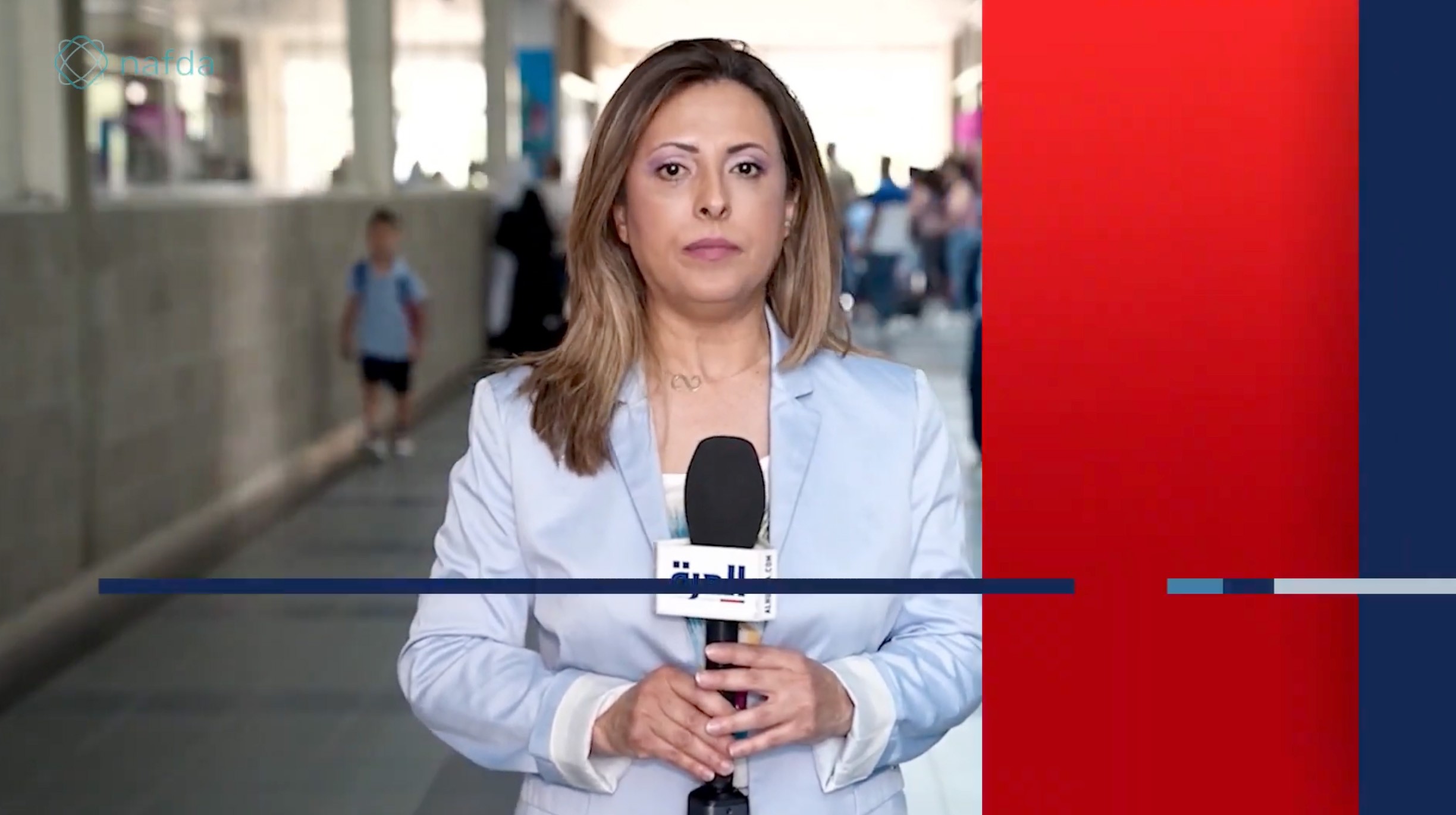
How It Works
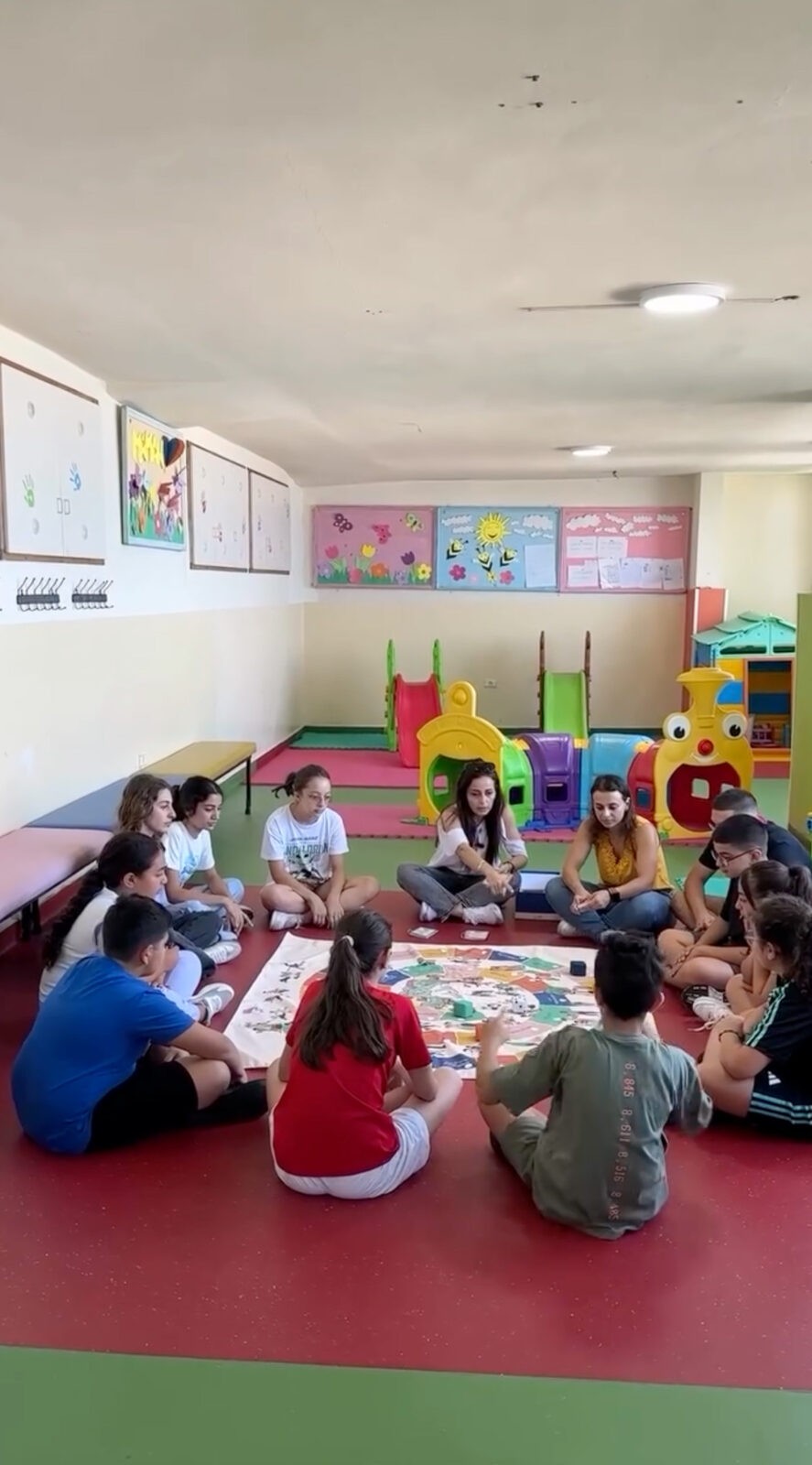
Aal Seha is a game-based learning tool that turns abstract civics concepts into lived experience.
Students play in teams, confront real-life dilemmas, and decide collectively.
Teachers guide discussion, encourage empathy, and connect lessons to real-world action.
Every session builds habits of listening, reasoning, and accountability — the foundations of active citizenship.
Reach & Impact (as of June 2025)
Aal Seha is a game-based learning tool that turns abstract civics concepts into lived experience.
schools and 3 scout groups implementing Aal Seha
students engaged nationwide
students engaged nationwide
Examples of Measured Learning Gains
- 91 % of students reported greater respect for diverse opinions and stronger collaboration after repeated sessions.
- 100% of students developed an understanding of people with special needs
- 97 % of students felt more responsible toward their school and society;
- 78 % took at least one concrete civic action (e.g., awareness campaigns, clean-ups, peer initiatives).
Aal Seha has ignited a wave of real-world initiatives — proof that when students practice values, they live them:
- Environmental projects: school-led recycling drives and partnerships with local municipalities.
- Anti-bullying and empathy campaigns: peer initiatives reducing conflict and strengthening inclusion.
- Mock elections and civic fairs: students designing voting stations and facilitating honest community dialogue.
- Policy collaboration: students meeting mayors to propose local solutions.
- National Student Council: established through Aal Seha sessions, uniting youth from across sects and regions.