


Our approach

What Makes Our Approach Different

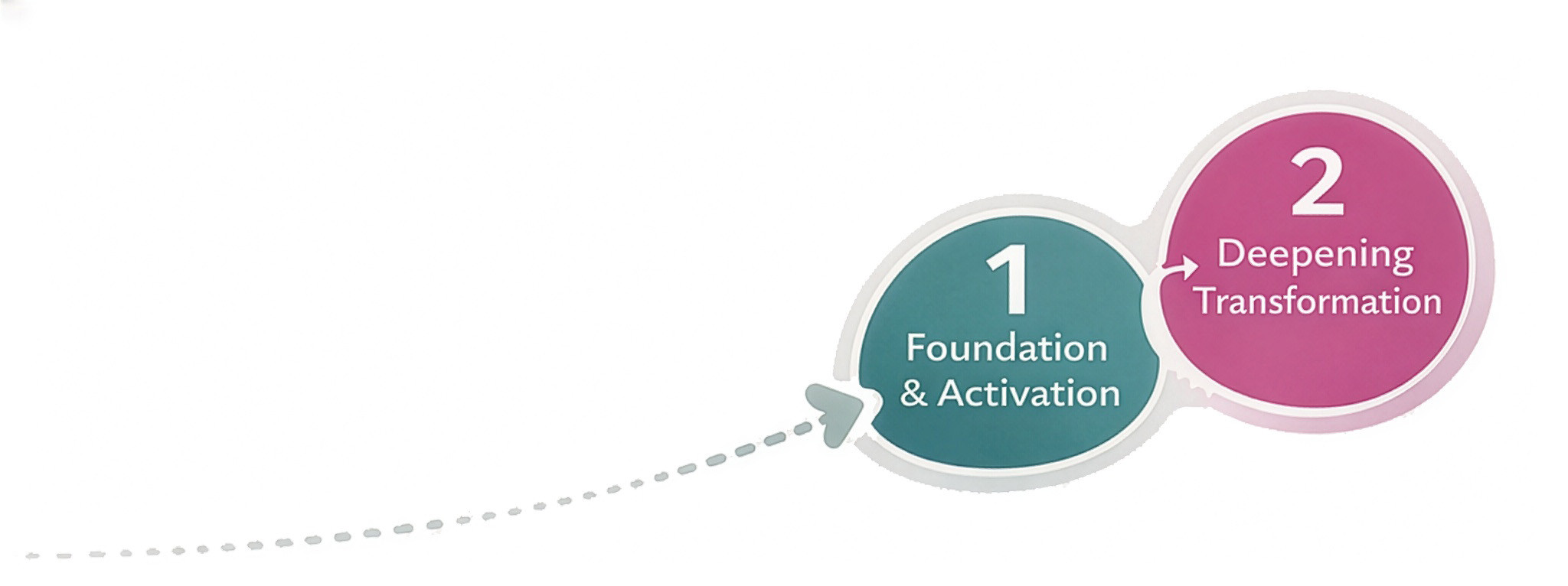
nafda’s model is designed as a two-phase journey with layered interventions that deepen over time.
Schools progress based on demonstrated commitment to shared values, leadership practices, and community engagement.

Phase 1: Foundation & Activation

Phase 1 focuses on grounding principals, teachers, and students in their role as agents of community change. Schools engage through a structured methodology tested in local contexts, centered on shared values, citizenship, and collaborative leadership.

Key components include:

  • Citizenship education (Aal Seha): Training school-based facilitators to implement values-driven learning with students.
  • Community projects: Practical application of learning through locally relevant initiatives that connect schools to their surrounding communities
  • Leadership development: Capacity-building for principals focused on community engagement, values integration, project management, and peer-to-peer learning.

At each stage, schools undergo readiness assessments to evaluate depth of engagement, leadership alignment, and embodiment of nafda’s values before progressing further.

Phase 2: Deepening Transformation & System Influence

Schools enter Phase 2 once commitment to the values and practices of Phase 1 is clearly embodied in leadership, culture, and action. This phase involves a deeper level of responsibility, complexity, and system-facing work.

  • Schools undertake school transformation projects across areas identified with their communities such as STEAM, agripreneurship, and wellbeing.

  • Principals enroll in advanced leadership and certification pathways, including higher-level school management and institutional partnerships.

  • Principals participate in advocacy hubs, contributing to policy dialogue and co-developing evidence-based recommendations rooted in school experience.

  • Students build on self-led initiatives through national student council engagement and deeper peer-to-peer learning journeys.

  • Learning shifts from implementation to influence, connecting school-level change to community and policy ecosystems.

Phase 2 positions schools not only as sites of transformation, but as credible contributors to education reform and public policy dialogue in Lebanon.