Rebuilding Lebanon starts in its schools.
Citizenship isn’t a subject. It’s a practice.
When schools collaborate, communities heal.
When students are empowered, communities transform.
When principals lead together, systems shift.
What if schools didn’t just teach change —
but led it?
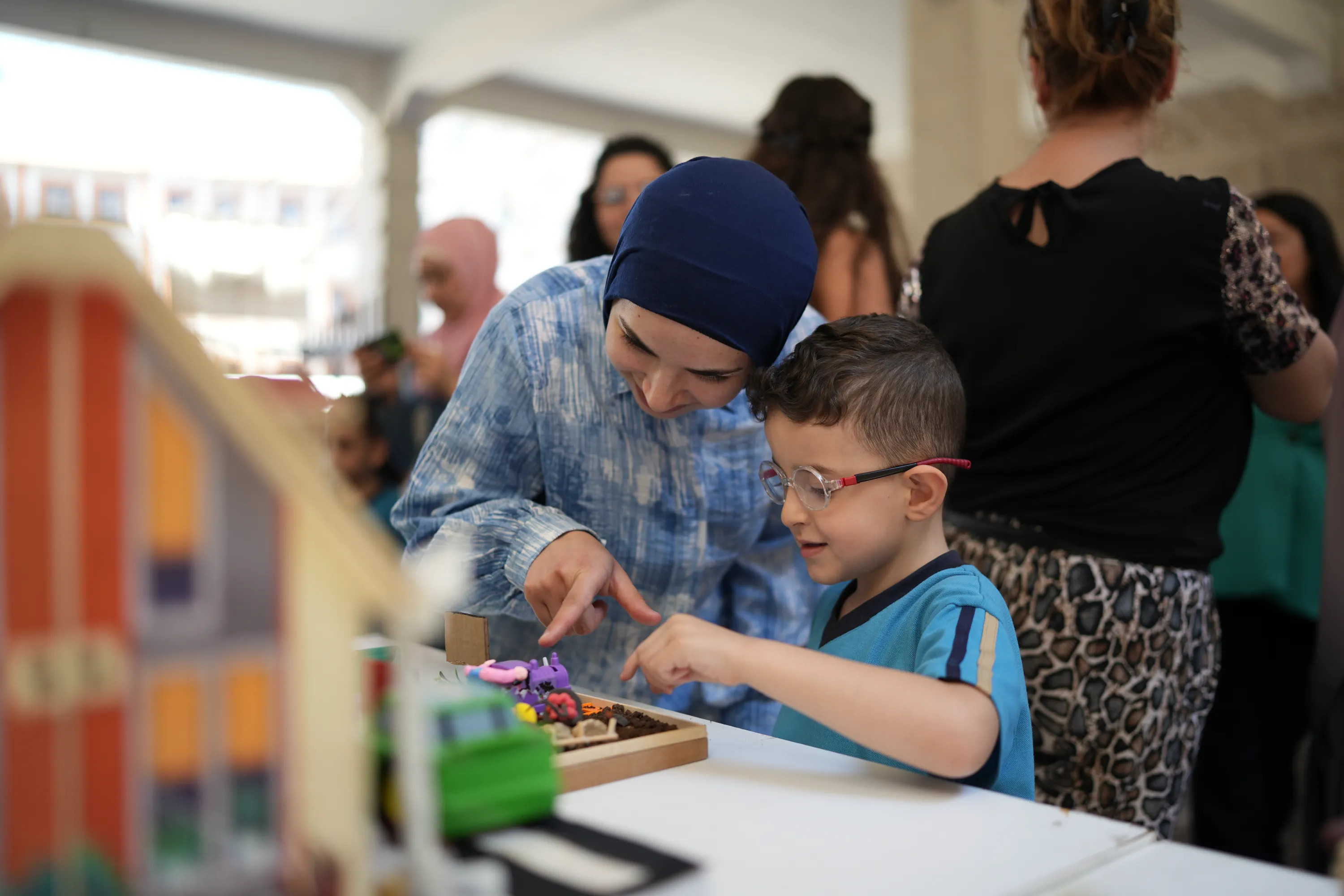
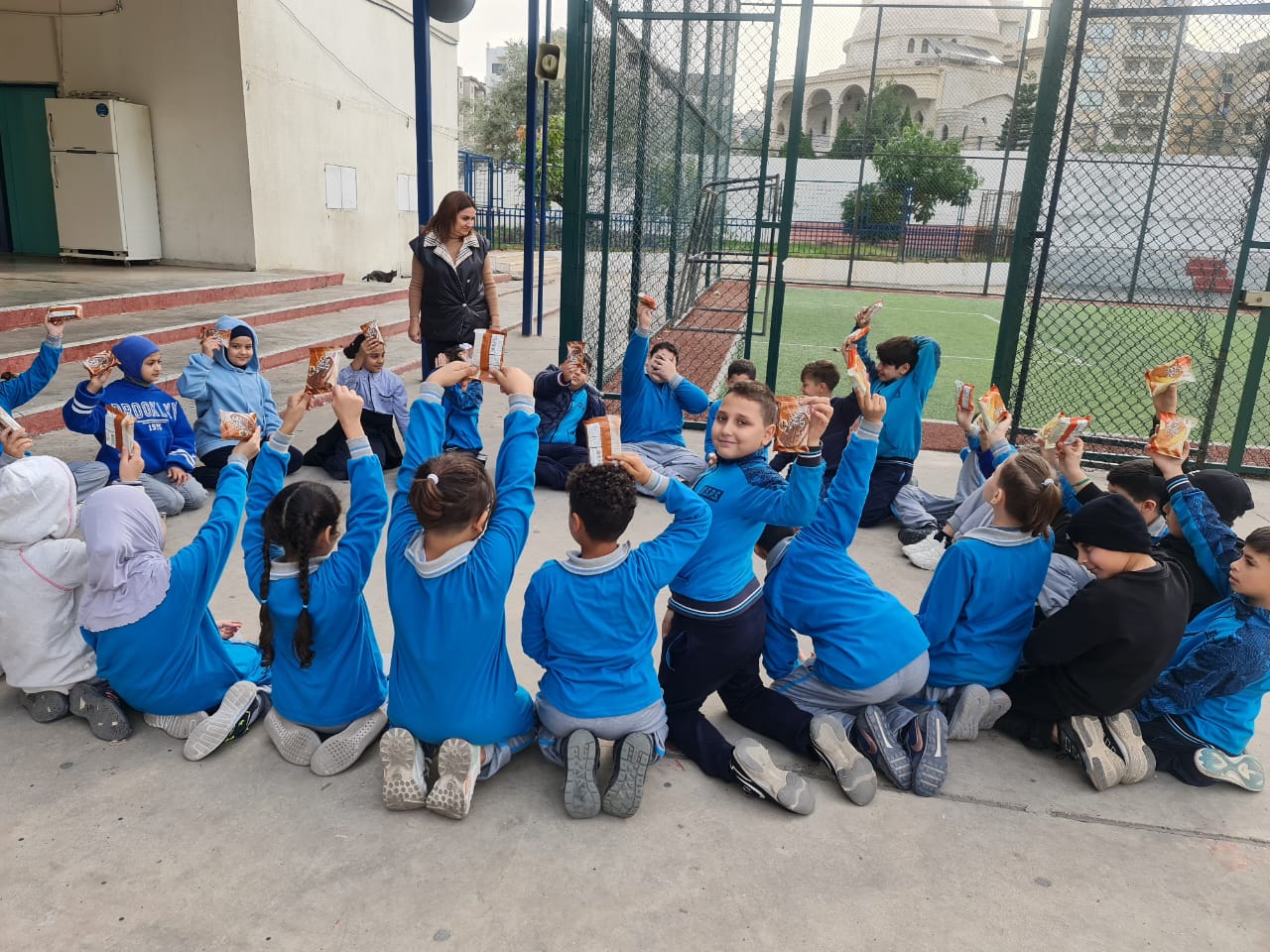
Across Lebanon, principals, teachers, and students are shaping their communities and influencing national reform.
nafda (n): “نفضة”
Arabic word meaning spring cleaning, a movement towards regeneration, coined by the pioneering principals of the movement.
- nafda is a movement for social transformation through education. As a collective, we work towards empowering a critical mass of educators to lead bottom-up transformation through the design & implementation of grassroots solutions.
Watch and learn more
about our journey!
PROGRESS TO DATE
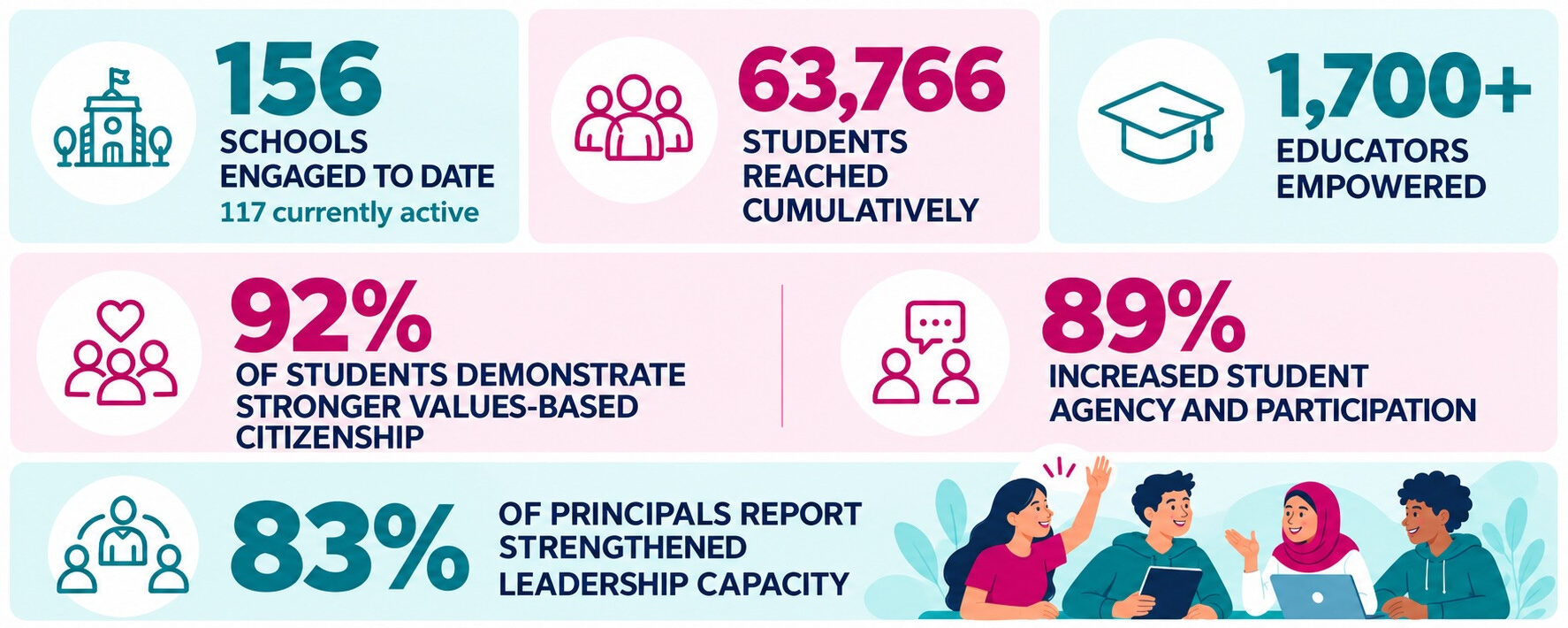
Today, nafda works with a growing national network of schools across Lebanon:
30
PROJECTS
IMPACTING
37000
STUDENTS
GROWING NETWORK OF
52% Public
42% Private
9% Semi-private
130
SCHOOLS
UPSKILLING
2000
EDUCATORS
nafda's Ripple of Impact
Beyond the numbers
Voices from the Community
“nafda opened doors for our voices to be heard, especially in our community that often feels marginalized. It reminded us that young people have a role to play and that we are the future. nafda reminds us that we can make a difference.”
SamiStudent
Our collaboration with nafda has been a truly transformative journey for our entire educational community — students, parents, and teachers alike. It has inspired us to open our doors beyond the school and reconnect with the wider community around us. Where we once felt self-contained, nafda helped us see that we are part of something much larger. We do not exist in isolation — we are part of a shared society. Today, everything we do, and everything our students learn, is shaped by a deeper sense of purpose: to contribute, to connect, and to serve our community and our nation”
Soeur Glorianafda Principal
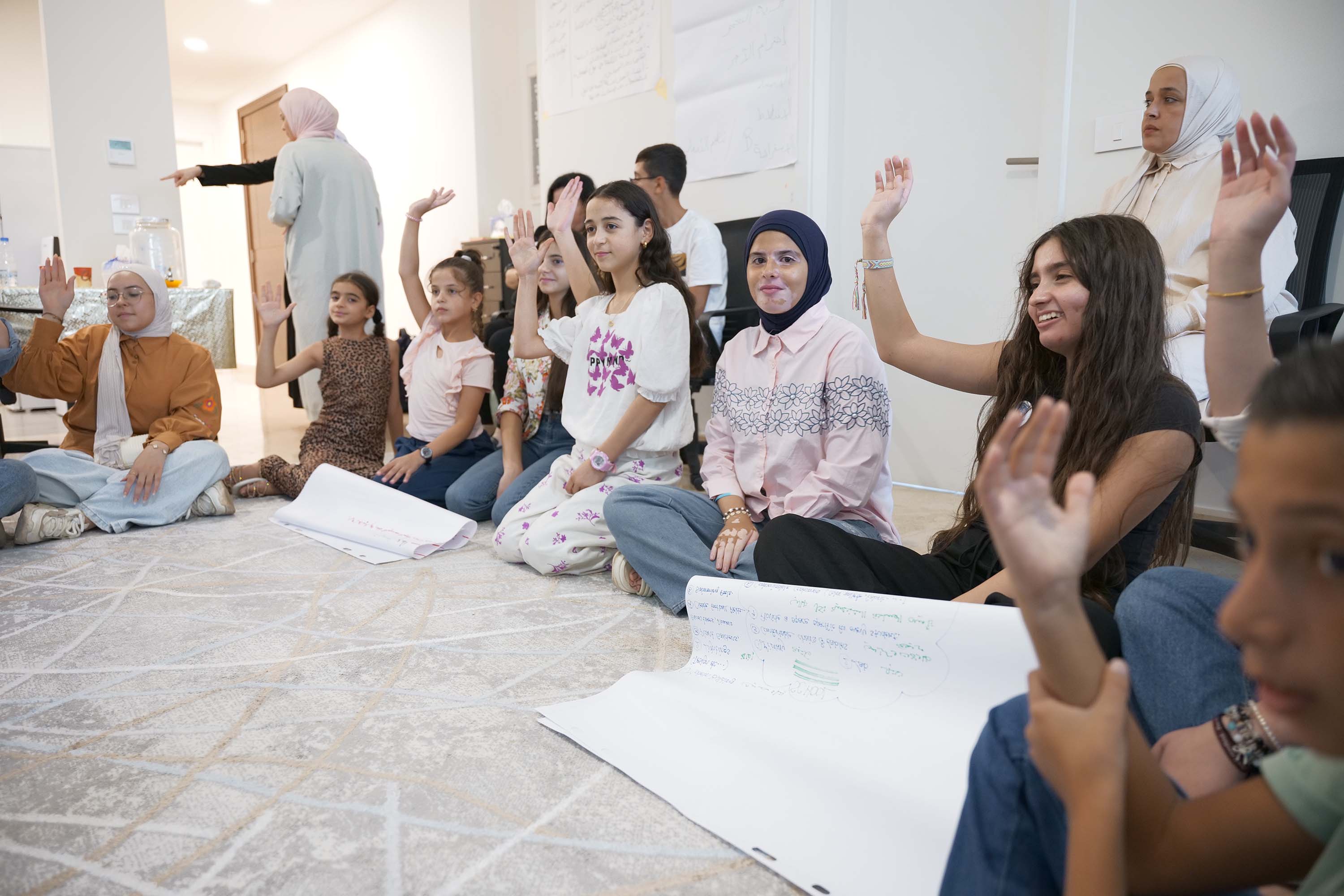
nafda helped me grow not only as a student, but as a person and a member of society. Through public speaking, building self-confidence, and meeting people I might never have known otherwise, I learned how to engage with others, exchange ideas, and discuss issues that affect our lives—from challenges in Lebanon to our schools and communities.
What stayed with me most is realizing that even when we come from the same areas, we can have very different opinions, cultures, and experiences. Nafda helped bridge those differences by teaching us, often without us even realizing it, how to listen to one another, learn from different perspectives, and understand people whose views may not be the same as our own.
For me, that is what democracy is really about.

What stayed with me most is realizing that even when we come from the same areas, we can have very different opinions, cultures, and experiences. Nafda helped bridge those differences by teaching us, often without us even realizing it, how to listen to one another, learn from different perspectives, and understand people whose views may not be the same as our own.
For me, that is what democracy is really about.
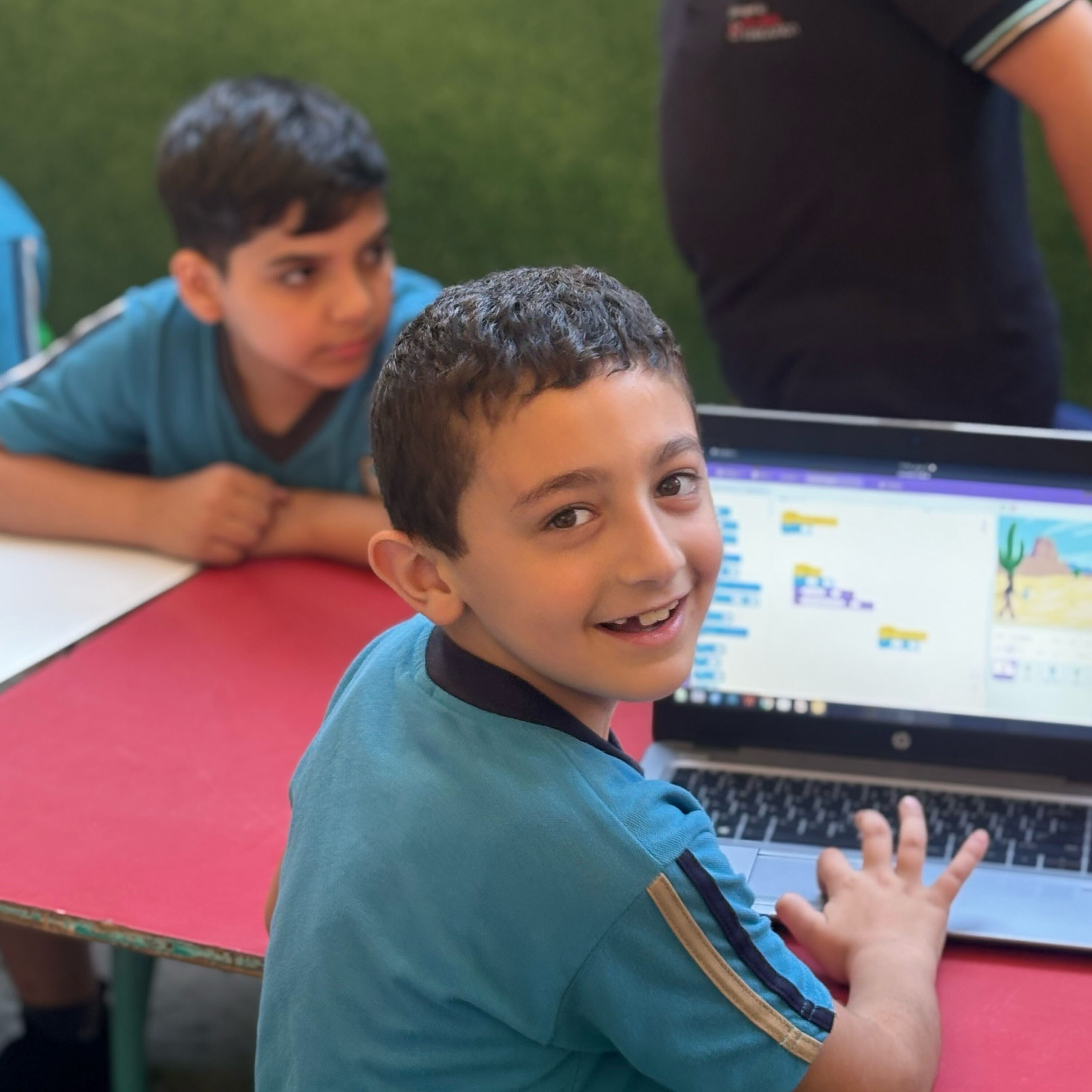
Lea Student
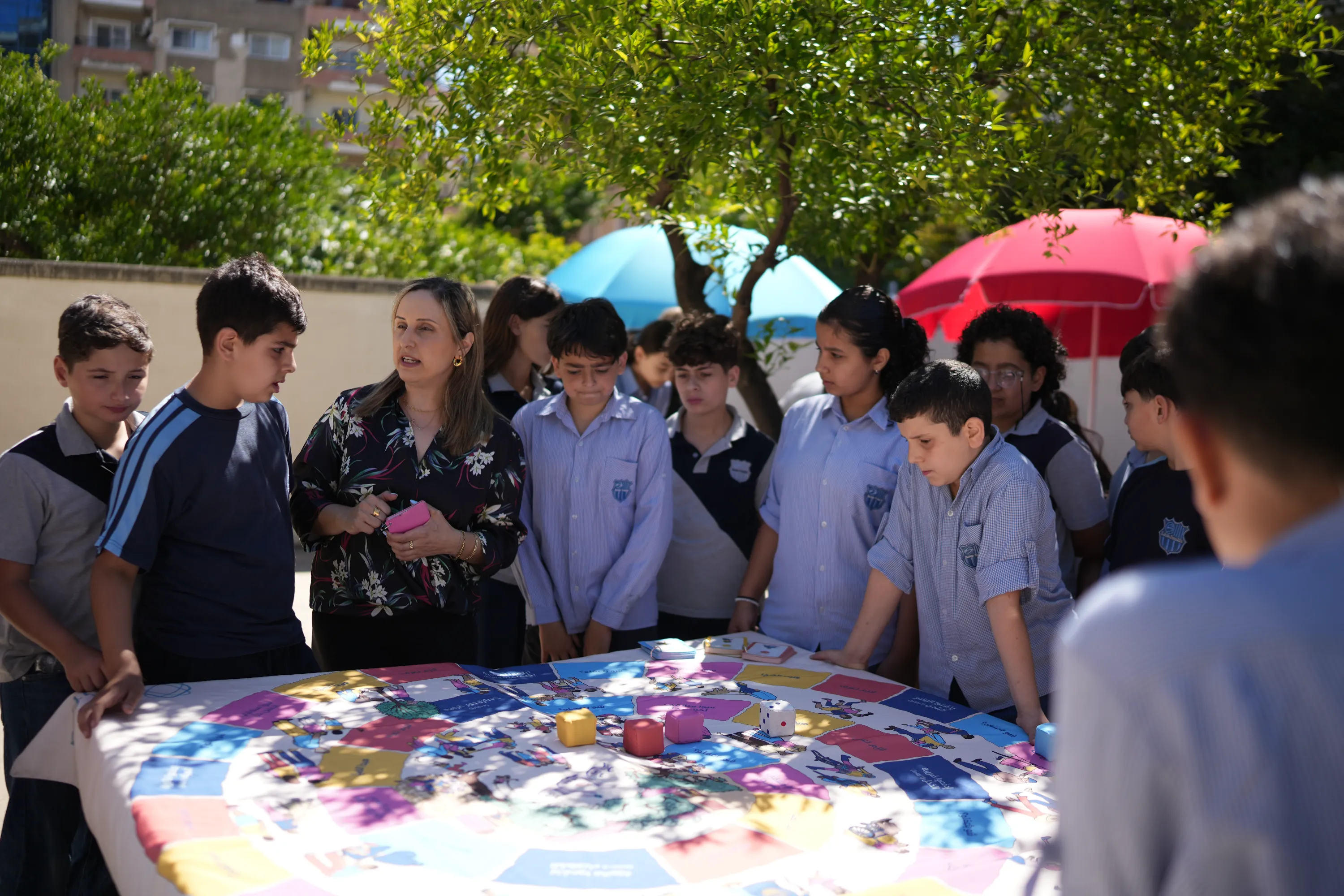
Before, many of the students' ideas were limited. But through Aal Seha, their thinking began to expand toward bigger questions about citizenship and community.
What has been most inspiring is seeing them move beyond their personal needs and start imagining ways they can make a positive difference in the lives of others. They have come up with creative ideas to support their communities, strengthen connections between people, and address challenges they see around them—ideas they are genuinely excited about and proud to share.
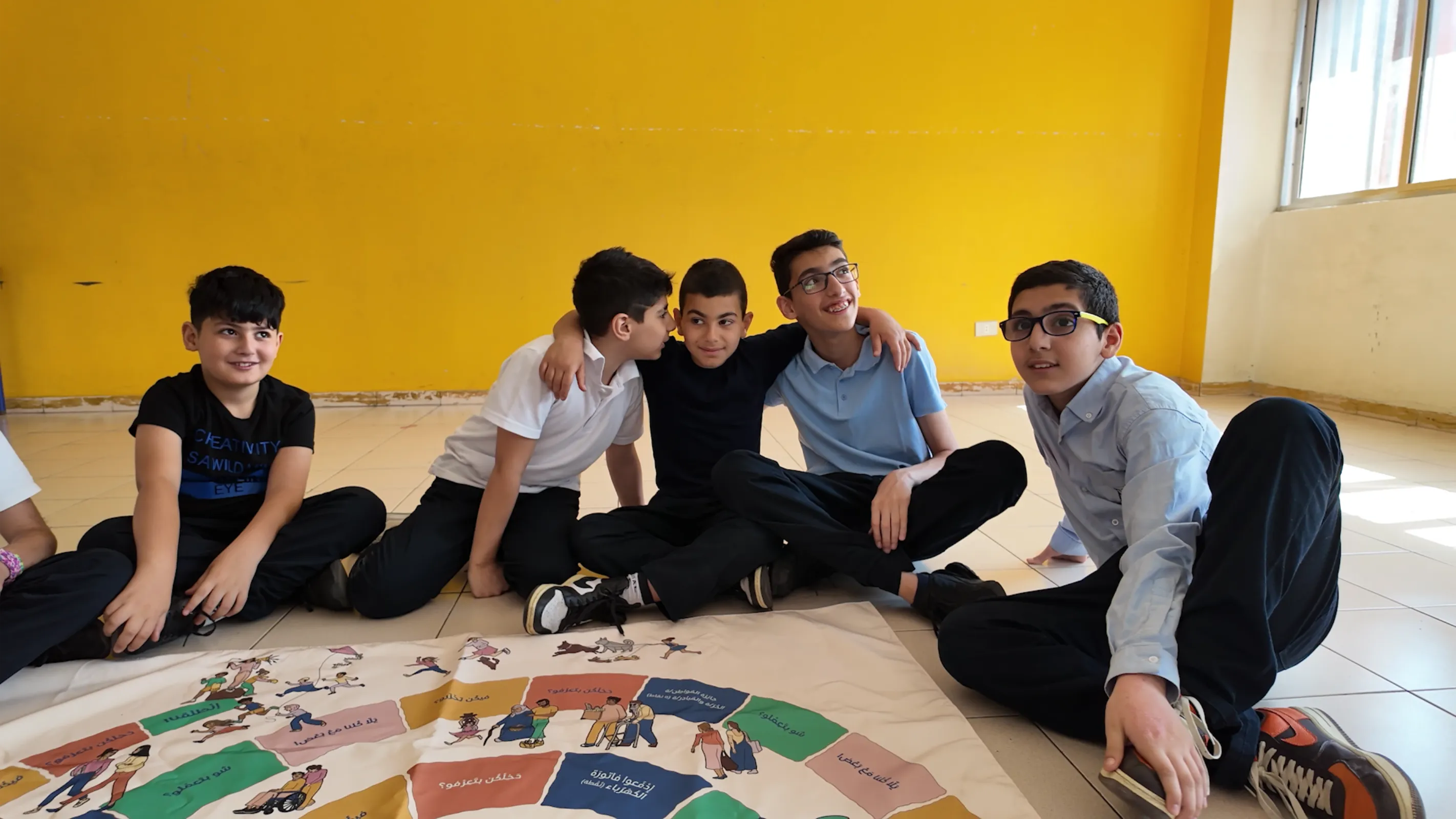
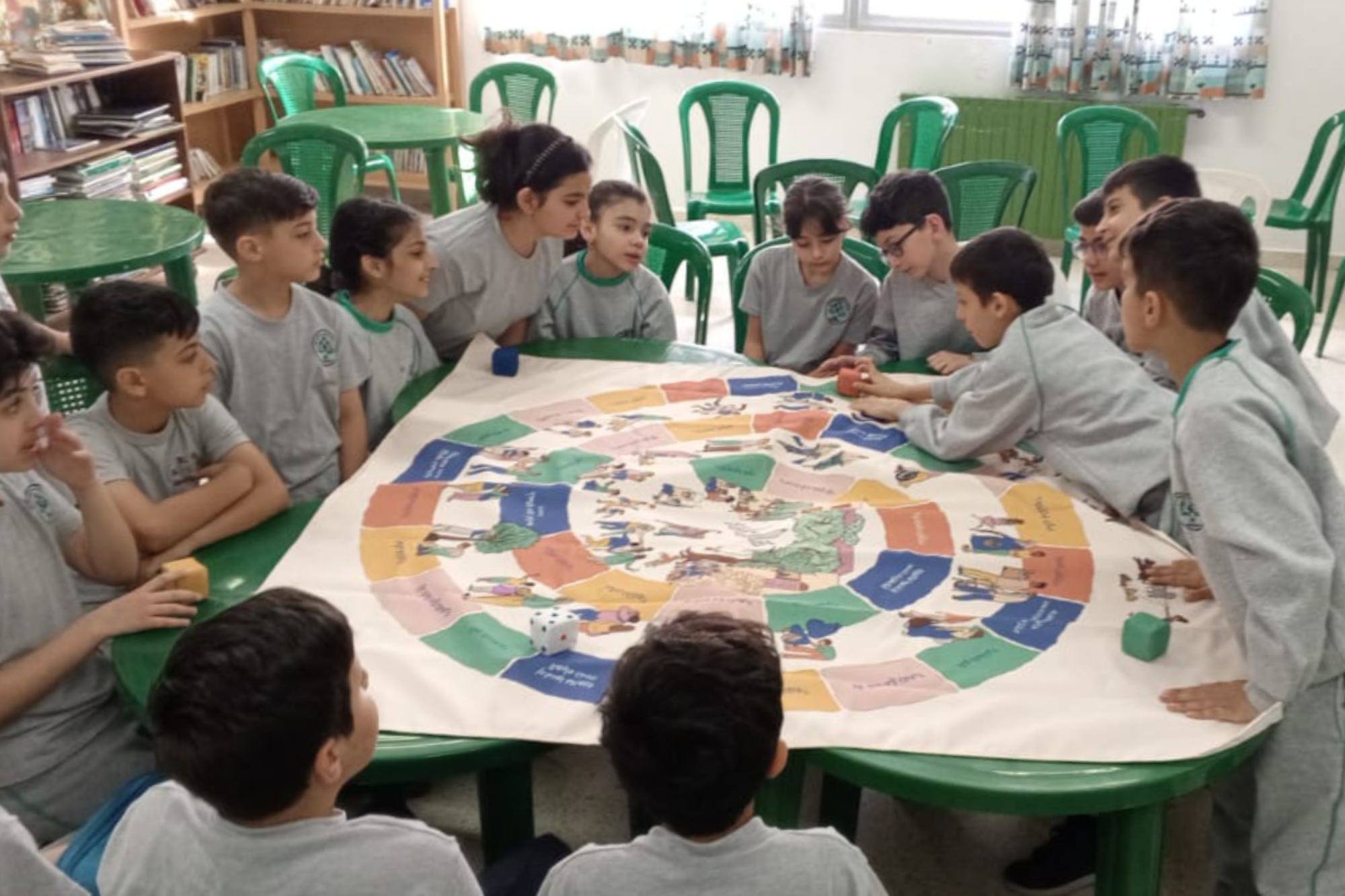
We originally planned for students to play Aal Seha once or twice a week, but now, whenever they have a free hour, they ask to play again. For many of them, it has become a space where they can imagine the kind of change they want to be part of.
What has been most inspiring is seeing them move beyond their personal needs and start imagining ways they can make a positive difference in the lives of others. They have come up with creative ideas to support their communities, strengthen connections between people, and address challenges they see around them—ideas they are genuinely excited about and proud to share.
We originally planned for students to play Aal Seha once or twice a week, but now, whenever they have a free hour, they ask to play again. For many of them, it has become a space where they can imagine the kind of change they want to be part of.
SaadiyaPrincipal